
Blog list
Moore Family Eyecare Blog
Learn more about optometrist care in our blog!
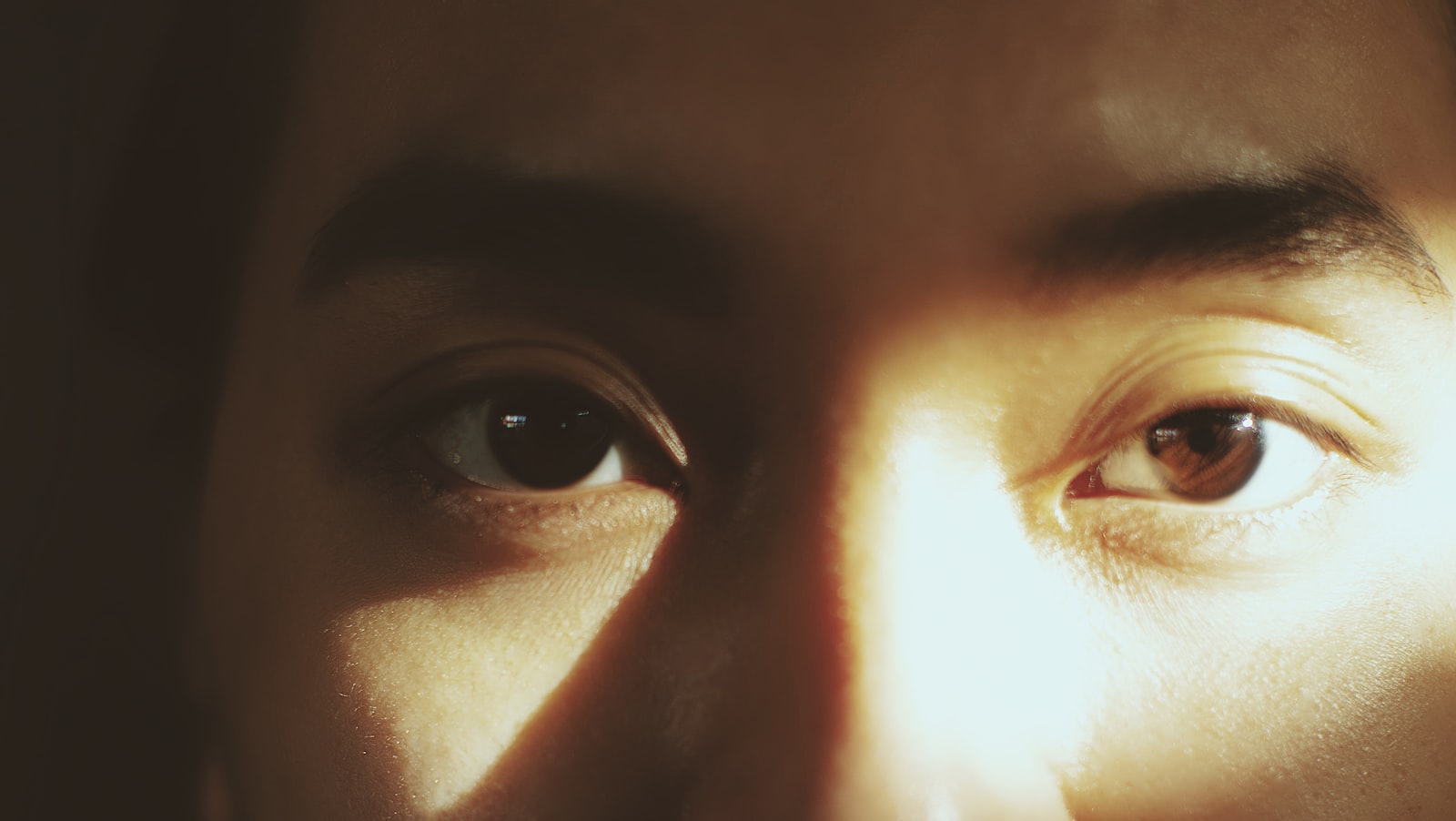
There are many differences between men and women — even when it comes to vision and eye health. Men, for example, are more likely to experience sight-threatening eye injuries than women, whereas women tend to be more vulnerable to certain eye diseases. So what can men and women do to address th...
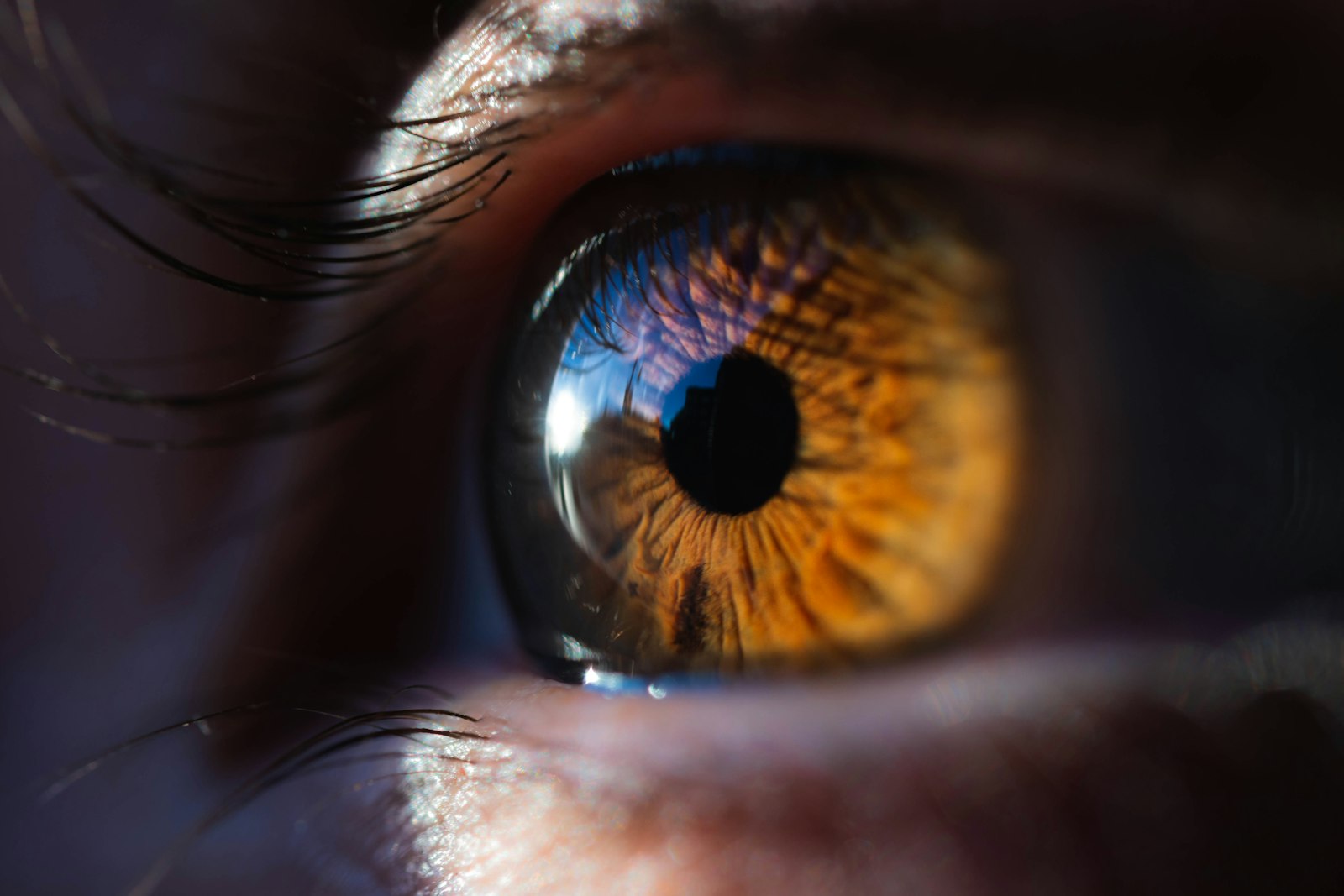
When we think of the traits of an athlete, we usually think of speed and strength first. A close third should be their visual skills. Athletes need to be able to process and react to visual information very quickly in order to play their sports well. The cool thing is that some of these visual sk...
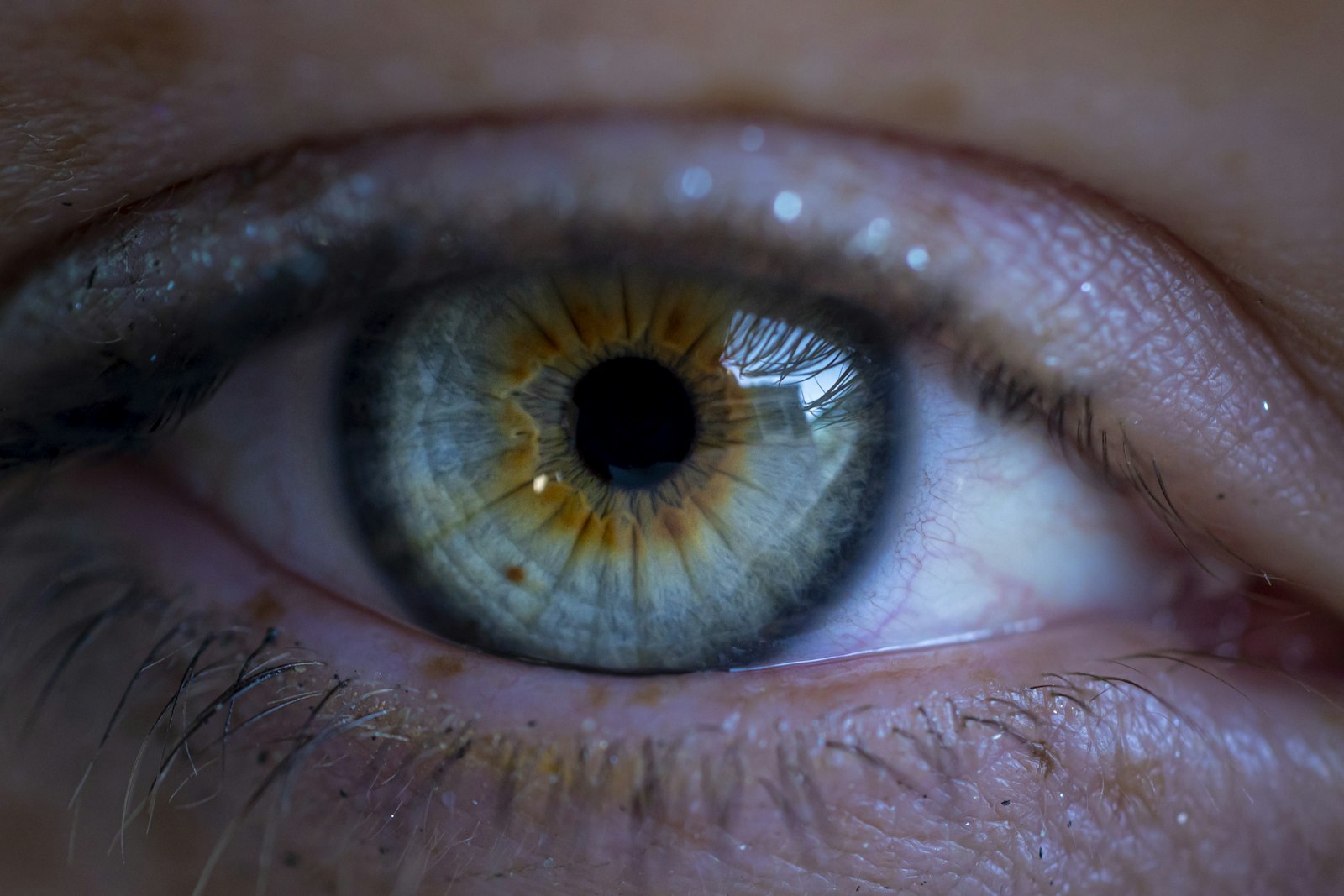
A habit of rubbing your eyes could come back to bite you. We do that sort of thing without really thinking about it in moments when we’re tired, when we get something stuck in one eye, or when our eyes feel dry or itchy. It's an attempt to alleviate the problem, but in reality we could be creat...
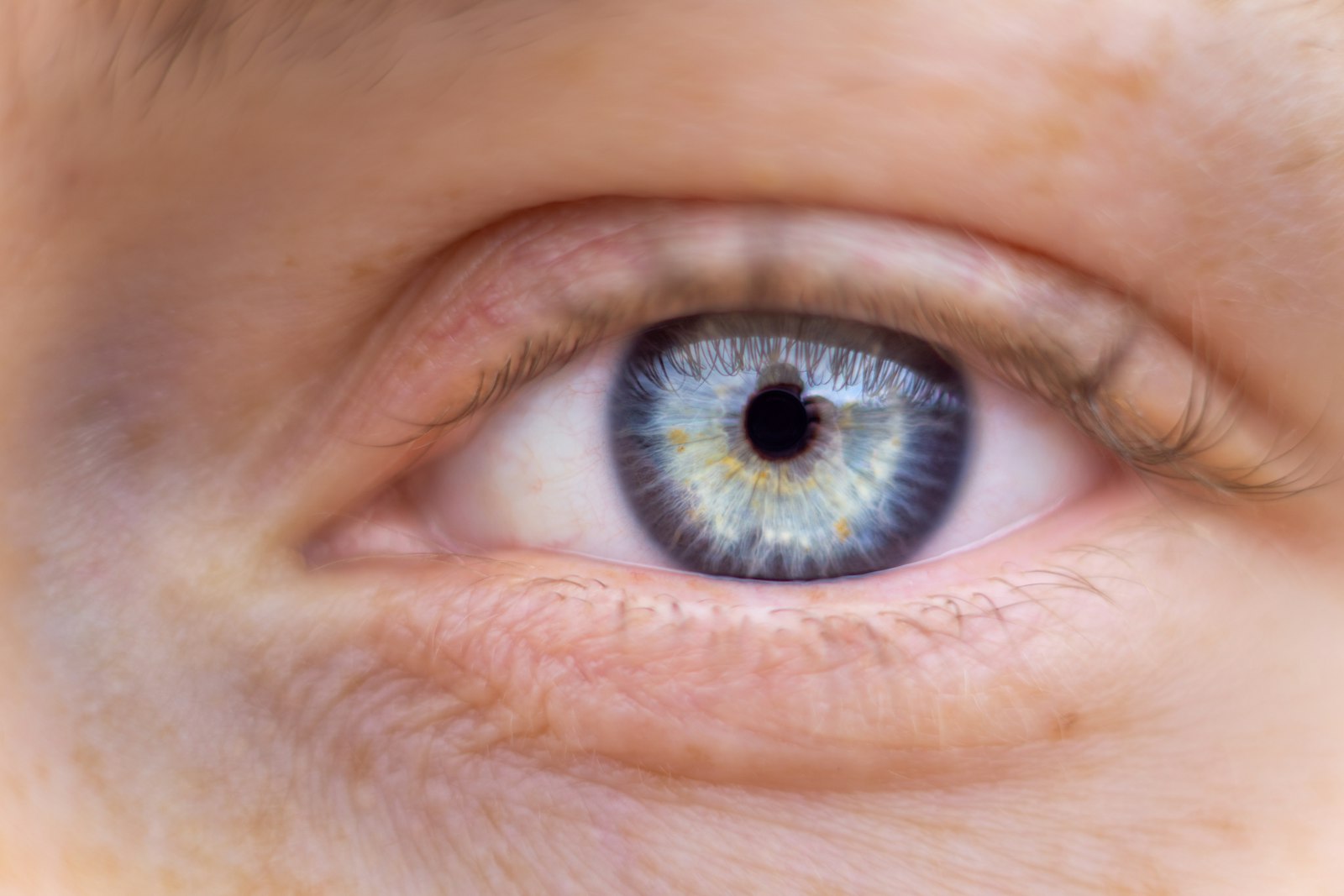
Stopping to smell the spring flowers can be hard when your nose is stuffy and your eyes are swollen. What makes red, puffy, itchy eyes so common in the springtime? While it’s often allergies, it isn’t always, so let’s take a look at what can cause allergy system this time of year — along ...
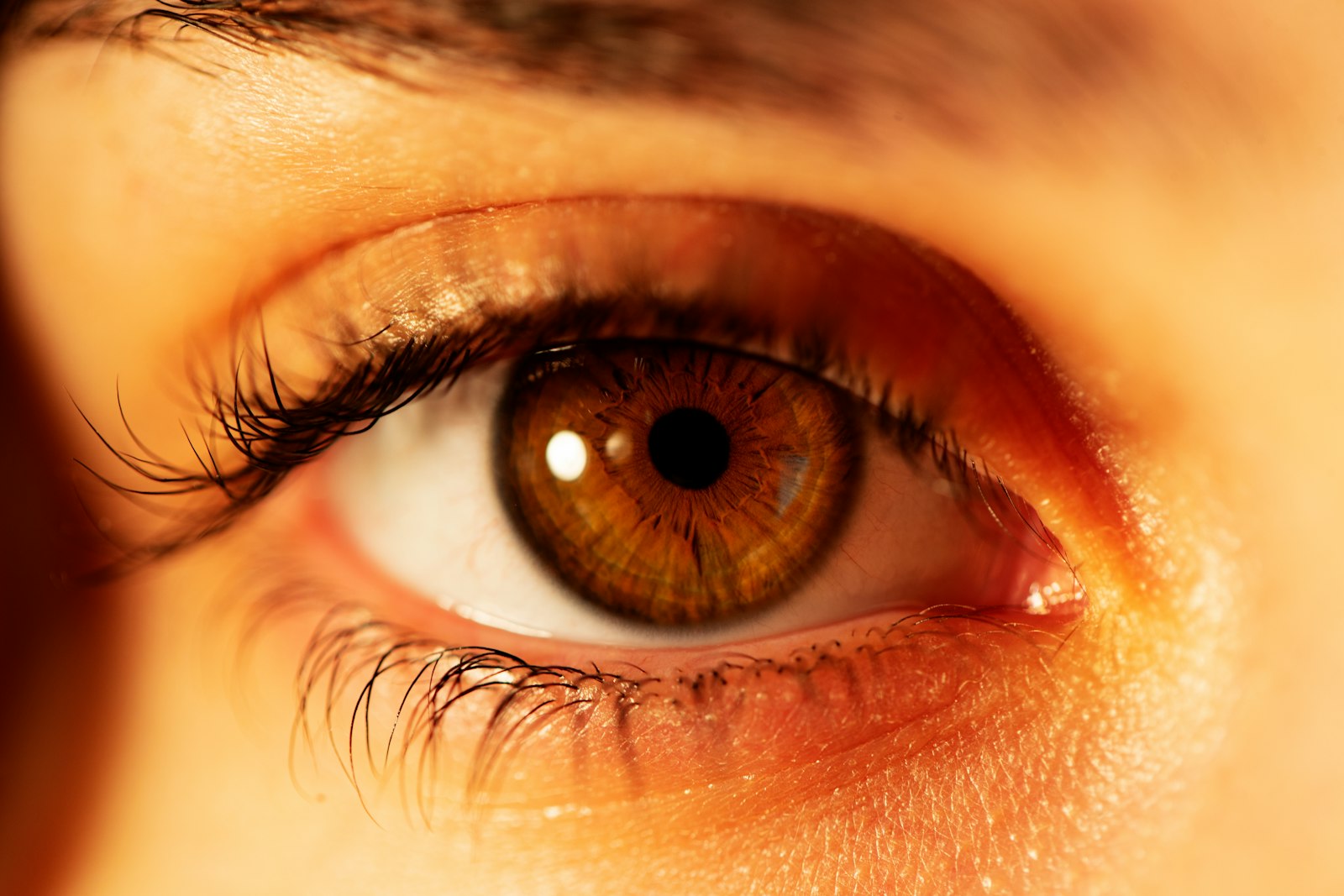
We blink our eyes several times every minute of the day, but why do we need to? Count the number of times you blink in a minute (when you do this, don’t try blinking more or less frequently than you normally would). The typical number of blinks per minute for an adult is between ten and twenty,...

Anyone who enjoys a nice tan should be aware of the risks of tanning booths. Those risks include ones to eye health. A group of physicians, dermatologists, surgeons, and even eye doctors went before Congress to describe the negative health effects of tanning beds, and the World Health Organizatio...

Headaches can have a number of causes you wouldn’t expect, like an uncorrected vision problem. If you live with frequent headaches, it would be well worth your time to schedule an eye exam, if only to rule out a vision problem as the cause. Not all headaches are tied to vision and not all visio...

March is Workplace Eye Wellness Month, which makes it a great time to discuss eye safety on the job. That will mean very different things depending on your line of work. A manual labor job can present a lot of direct dangers to eye safety, while an office-type job is more likely to cause a lot of...
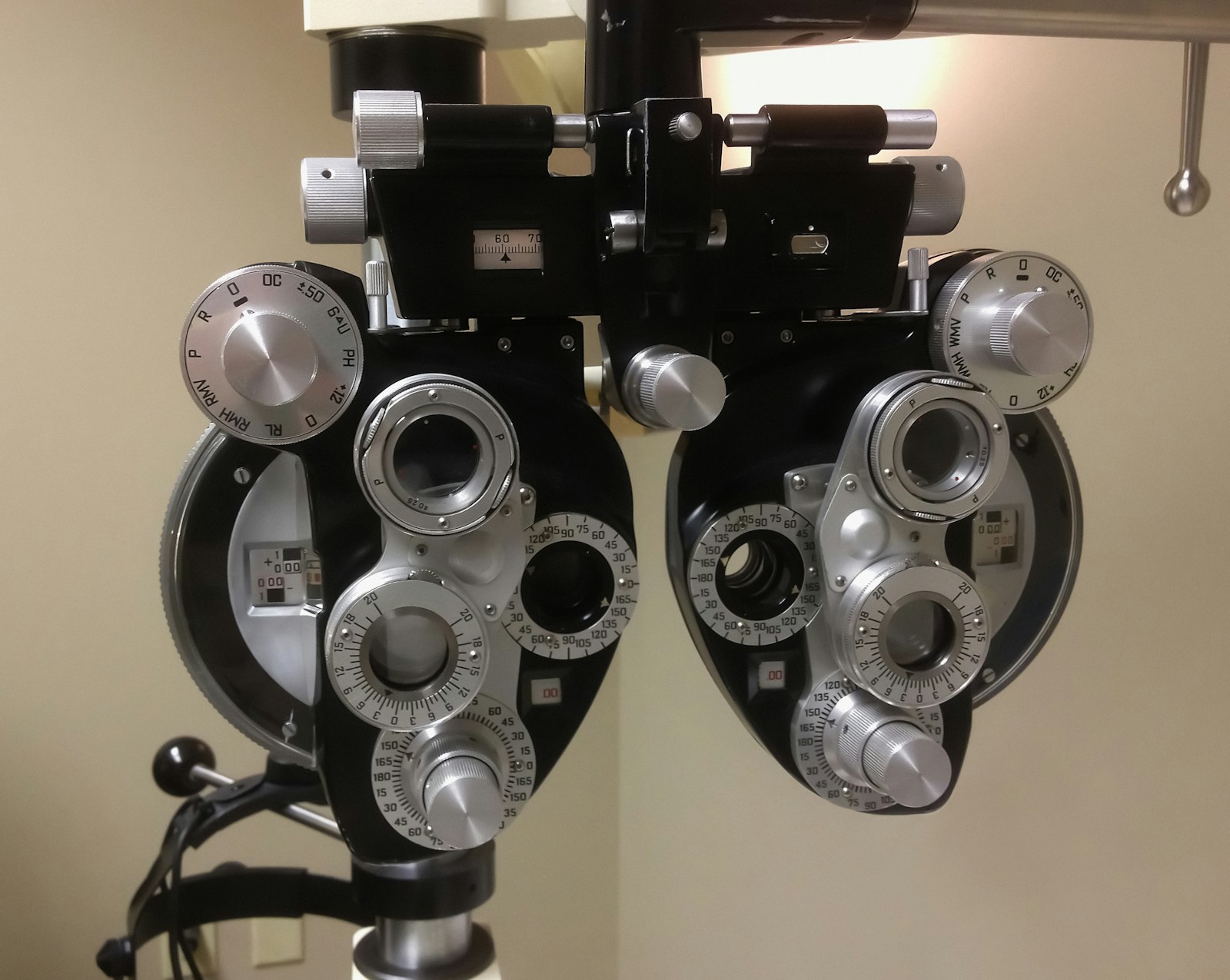
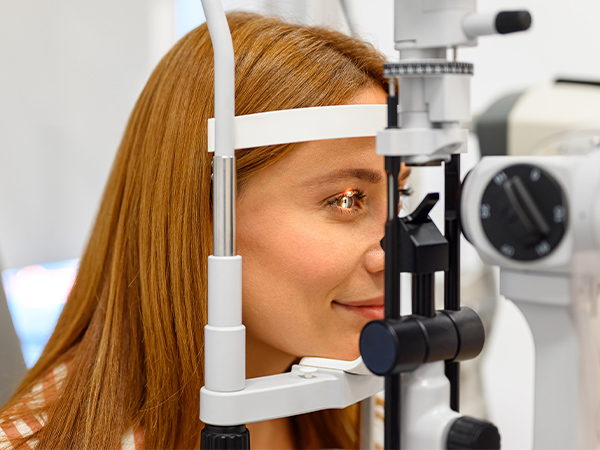
Approximately 1 in 5 adults in the United States has an undiagnosed eye condition. This startling statistic highlights the importance of regular eye exams for maintaining optimal vision health. We want to demystify the eye exam for anyone who has never had one and explain why they are so importan...

Glasses and contact lenses are small things that make a huge difference. If you wear glasses or contacts, you probably remember what it was like the first time you put them on and could suddenly see individual blades of grass and leaves on trees. The ability to see clearly is critical for so many...

Contact Info
Office Address: 1902 W. 19th St Ste A
Mountain Grove, MO 65711
Mountain Grove, MO 65711
Call Or Text (417) 926-3937
Fax (417) 926-3952
Office Hours
- Monday 8:30am - 4:30pm
- Tuesday 7:30am - 5:30pm
- Wednesday 7:30am - 5:30pm
- Thursday 7:30am - 5:30pm
- Friday 8:30am - 4:30pm
- Saturday Closed
- Sunday Closed
© 2026 Moore Family Eyecare. All rights Reserved. Accessibility Statement - Privacy Policy - Sitemap
Powered by:
